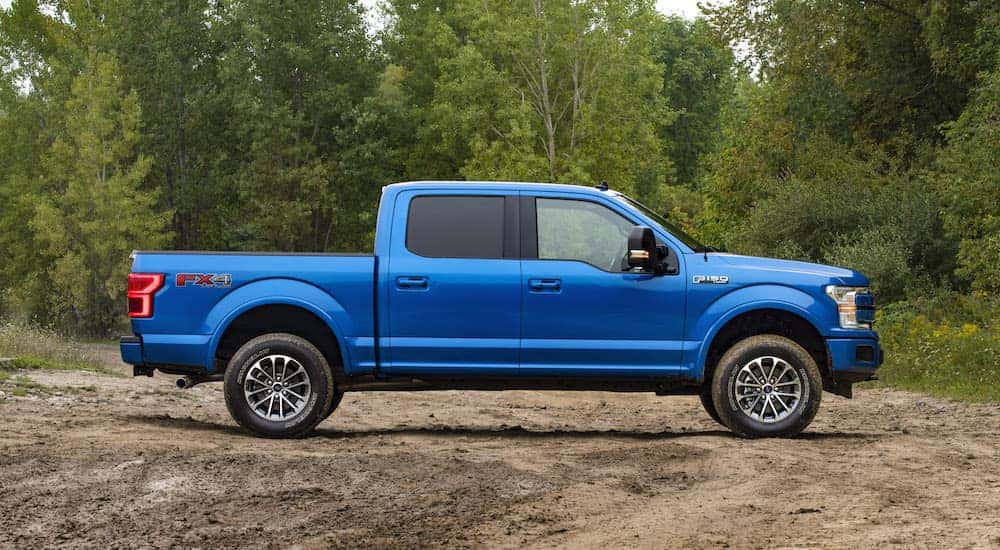
Highlights of the F-150's Thirteenth Generation
July 19 2024 - admin@wikimotive.com
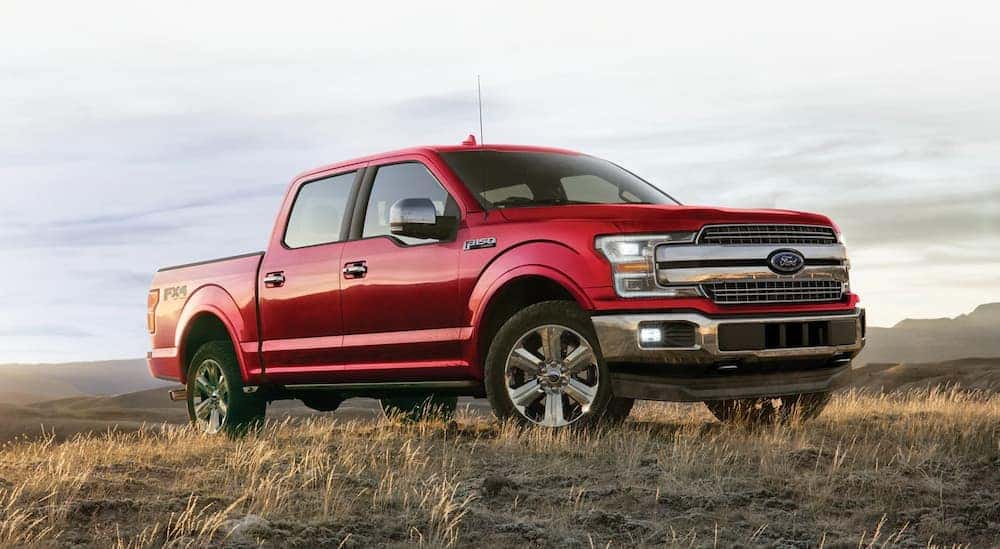 When it comes to the world of pickup trucks, few names resonate as powerfully as the Ford F-150. Looking for used trucks for sale is easier said than done, but the thirteenth generation of the F-150, produced from 2015 to 2020, stands out as a beacon of strength and versatility.
The F-150 has long been a symbol of American craftsmanship, and the thirteenth generation epitomizes this legacy with many modern advancements. Ford's decision to transition to an aluminum body reflects its desire to continuously improve its vehicles. This switch not only enhanced the truck's performance but also its appeal to a new generation of truck lovers who value efficiency and sustainability without compromising on power.
Also, the thirteenth-generation F-150 saw a variety of trim levels and special editions that piqued the interest of diverse drivers. From the luxurious Platinum and King Ranch trims, featuring premium materials and advanced technology, to the rugged and performance-oriented Raptor, each model in this generation offered attributes that set it apart. This variety ensured that there was an F-150 for every need, whether it was for business, pleasure, or a bit of both.
The thirteenth-generation F-150's design and engineering were also influenced by extensive customer feedback and rigorous testing. Ford's commitment to listening to its customer base and adapting to their needs was crucial to the truck's success. This customer-centric approach, combined with the brand's engineering prowess, resulted in a vehicle that was not only ahead of its time but also built to withstand the test of time. Now, you can experience this reliability as an affordable pre-owned model.
When it comes to the world of pickup trucks, few names resonate as powerfully as the Ford F-150. Looking for used trucks for sale is easier said than done, but the thirteenth generation of the F-150, produced from 2015 to 2020, stands out as a beacon of strength and versatility.
The F-150 has long been a symbol of American craftsmanship, and the thirteenth generation epitomizes this legacy with many modern advancements. Ford's decision to transition to an aluminum body reflects its desire to continuously improve its vehicles. This switch not only enhanced the truck's performance but also its appeal to a new generation of truck lovers who value efficiency and sustainability without compromising on power.
Also, the thirteenth-generation F-150 saw a variety of trim levels and special editions that piqued the interest of diverse drivers. From the luxurious Platinum and King Ranch trims, featuring premium materials and advanced technology, to the rugged and performance-oriented Raptor, each model in this generation offered attributes that set it apart. This variety ensured that there was an F-150 for every need, whether it was for business, pleasure, or a bit of both.
The thirteenth-generation F-150's design and engineering were also influenced by extensive customer feedback and rigorous testing. Ford's commitment to listening to its customer base and adapting to their needs was crucial to the truck's success. This customer-centric approach, combined with the brand's engineering prowess, resulted in a vehicle that was not only ahead of its time but also built to withstand the test of time. Now, you can experience this reliability as an affordable pre-owned model.
An Aluminum Body Built for Battle
One of the most significant advancements introduced in the thirteenth-generation F-150 was the switch to a high-strength, military-grade aluminum alloy body. This change was not merely a cosmetic upgrade but a revolutionary step forward in truck design. The decision to use aluminum dramatically reduced the truck's weight compared to its predecessors. Not only did this improve fuel efficiency, but it generated better handling and strength. The transition to an aluminum body was part of Ford's broader strategy to bolster the truck's performance and efficiency without taking away from its renowned durability. The high-strength aluminum alloy used in the F-150's construction was tested under extreme conditions to check that it met Ford's strict standards. This material choice also played a pivotal role in increasing the truck's towing capacity, allowing it to handle heavier loads with ease, which was a critical factor for many truck buyers. Moreover, the aluminum body panels were designed to be more resistant to dings and dents, which is a common concern for truck owners who use their vehicles in demanding conditions. This not only improved the truck's aesthetic longevity but also reduced maintenance costs over time. Ford's investment in new manufacturing processes and technologies to accommodate the aluminum body also underscored the company's commitment to quality craftsmanship. The aluminum body worked in conjunction with a high-strength steel frame, helping the F-150 retain its toughness while benefiting from weight savings. This combination provided the best of both worlds: a robust structure capable of enduring heavy-duty use and a lighter body that improved overall performance and efficiency. Ford's holistic approach to redesigning the F-150's body and frame structure exemplified the brand's dedication to delivering superior trucks that set new benchmarks for the industry.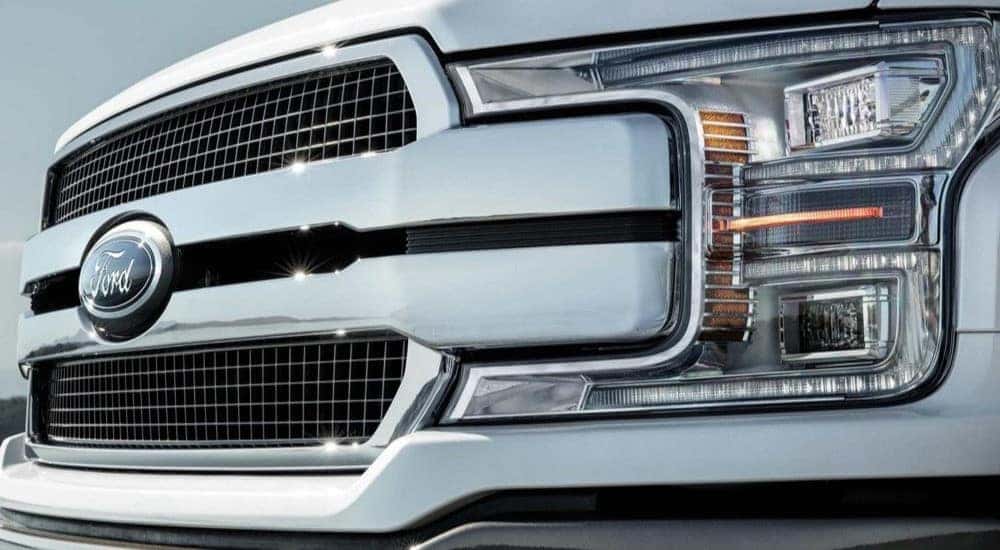
Potent Powertrains and Performance
The thirteenth-generation F-150 had quite a few enhanced powertrain options. One of the standout engines was the 3.5-liter EcoBoost V6, which combined turbocharging and direct injection to deliver an outstanding balance of power and efficiency. With 375 hp and 470 lb-ft of torque, this engine delivered immense performance, making it ideal for heavy-duty tasks like towing and hauling. Another notable engine option was the 5.0-liter V8, beloved by traditionalists who preferred the raw power and unmistakable sound of a naturally aspirated engine. Producing 395 hp and 400 lb-ft of torque, the V8 signified Ford's ability to mix classic power with modern efficiency. The 2.7-liter EcoBoost V6 and the base 3.3-liter V6 engines also offered desirable performance. What's more, Ford introduced a 10-speed automatic transmission in 2017, further enhancing performance. It provided smoother shifting, improved acceleration, and better fuel economy, resulting in even more efficiency. The 10-speed also featured optimized gear spacing, improving low-speed torque delivery and fuel efficiency. Another highlight was Ford's introduction of the first-ever diesel engine option in the F-150, the 3.0-liter Power Stroke V6. It served a lot of strength while maintaining fuel efficiency, and its 250 hp and 440 lb-ft of torque made for an excellent balance of power and economy. Ford's engineers paid close attention to enhancing the overall driving dynamics of the F-150. Advanced features such as adaptive steering, which adjusted the steering ratio based on the truck's speed, provided a more responsive and controlled driving experience. This, combined with the various powertrain options, meant that the thirteenth generation F-150 was not only powerful but also enjoyable to drive in a variety of conditions.A Wide Range of Tech Features
To meet the growing demands for technology, the thirteenth generation F-150 showcased some innovative gadgets. Ford equipped these trucks with an array of advanced driver-assist technologies designed to elevate safety and convenience. The available Pro Trailer Backup Assist was a game-changer for anyone who regularly tows trailers, making it easier than ever to maneuver in and out of tight spaces. Other notable safety features included Adaptive Cruise Control, a Lane-Keeping System, and a 360-degree camera system, all of which contributed to a safer ride. The F-150 was also one of the first trucks in its class to offer Pre-Collision Assist with Automatic Emergency Braking, underscoring Ford's commitment to safety. These technologies worked together to provide a comprehensive safety net. Inside the cabin, the F-150 featured Ford's SYNC 3 infotainment system, which provided intuitive control over navigation, audio, and smartphone connectivity. The system supported Apple CarPlay and Android Auto, allowing drivers to integrate their mobile devices with the truck's interface. High-quality materials and thoughtful design touches throughout the interior showed that the F-150 was as comfortable as it was capable. The introduction of features such as a Wi-Fi hotspot and wireless charging further highlighted Ford's focus on integrating modern technology into their vehicles. Furthermore, Ford offered multiple packages that allowed buyers to customize their F-150. The Technology Package, for example, included advanced features such as a 360-degree camera with split-view display and Dynamic Hitch Assist, which made connecting trailers easier and safer. The LARIAT Technology Package added even more high-tech features, including Adaptive Cruise Control with Stop-and-Go functionality.Adapted for Off-Road Adventures
Those who sought adventure beyond the pavement were not disappointed by the thirteenth-generation F-150. The F-150 Raptor stood out as an off-roading beast. Equipped with a high-output 3.5-liter EcoBoost V6 engine producing 450 horsepower and 510 lb-ft of torque, the Raptor could conquer the most challenging terrains. Its FOX Live Valve shocks, BF Goodrich all-terrain tires, and reinforced frame made it a formidable presence on any off-road trail. Beyond the Raptor, the F-150 offered several off-road packages across various trims, including the FX4 Off-Road Package. This package included an electronic-locking rear differential, off-road-tuned shock absorbers, and skid plates. Whether for work or play, the F-150 could be configured to meet the demands of any environment.